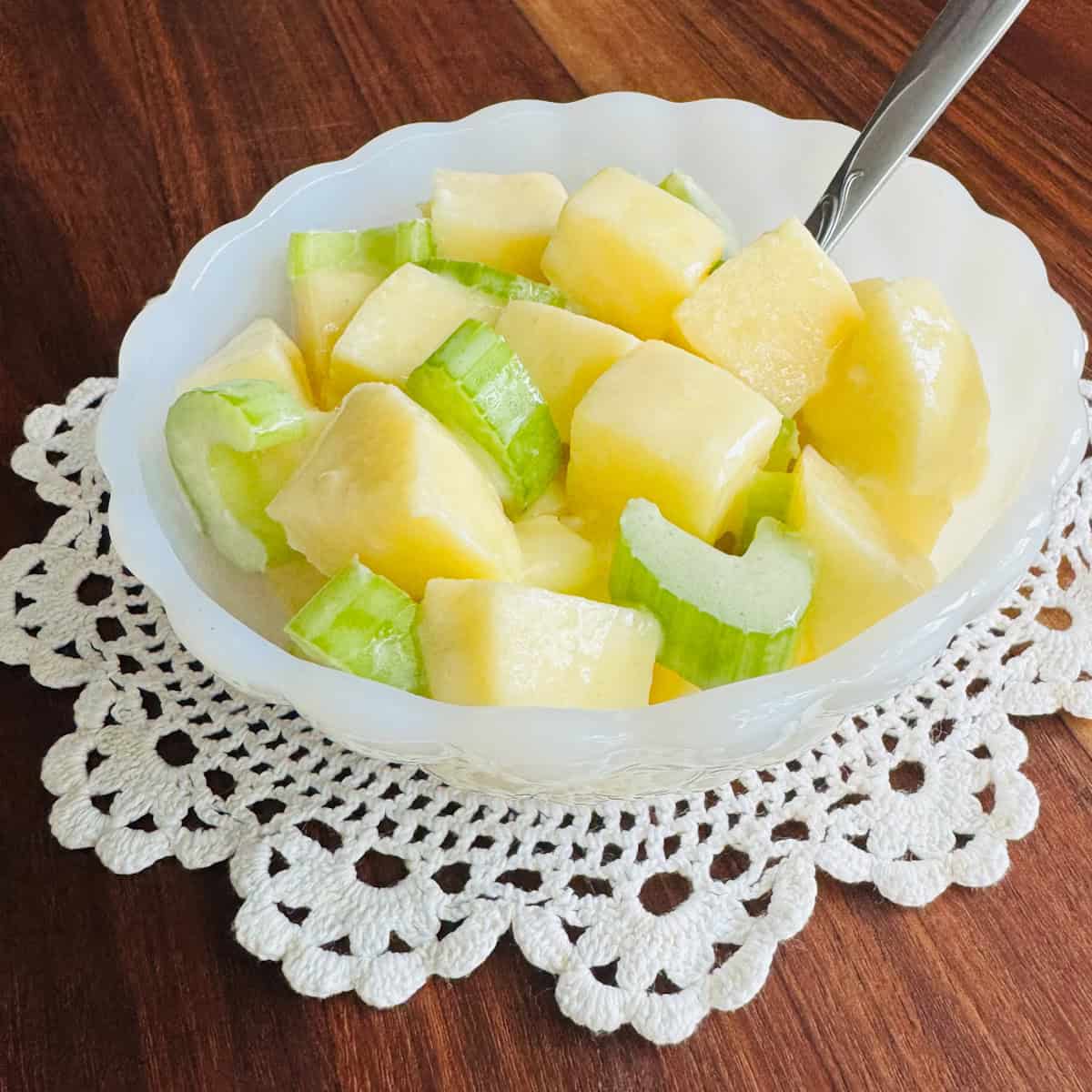
In a culinary world constantly chasing the next big trend, there's an undeniable comfort and enduring appeal in returning to the classics. Among these timeless treasures, the Waldorf Salad stands out – a symphony of crisp textures and harmonious flavors that has graced tables for over a century. More than just a salad, it’s a delightful journey back to a simpler, yet elegant, time, updated for today’s palate. This iconic dish, with its perfect blend of tangy-sweet notes and satisfying crunch, promises to elevate any meal from a sophisticated brunch to a simple, refreshing lunch.
The Storied Past of a Culinary Icon: From Luxury Hotel to Home Kitchen
The Waldorf Salad carries an air of undeniable sophistication, a reputation it earned honestly from its illustrious origins. Picture this: it's 1893, and New York City’s newly opened, opulent Waldorf Astoria hotel is celebrating its grand debut. As part of the lavish festivities, a seemingly simple yet innovative salad was introduced, quickly captivating the palates of the era’s elite. That salad was the Waldorf. Conceived by the maître d'hôtel, Oscar Tschirky, it initially comprised only apples, celery, and mayonnaise. Walnuts, a later but now integral addition, soon joined the mix, solidifying its classic form.
From those grand beginnings, this easy Waldorf salad in 10 mins has transcended its luxury hotel roots, proving its remarkable resilience and adaptability. It’s a testament to good taste that a dish born in the gilded age remains a beloved staple in modern kitchens worldwide. Despite its posh origins, the beauty of the Waldorf Salad lies in its surprising simplicity and the minimal effort required to bring a touch of that historic elegance to your own table. It’s an approachable classic that invites you to channel a bit of that old-world charm with every vibrant, crunchy bite.
The Symphony of Flavors and Textures: Unpacking the Core Ingredients
The magic of a truly great Waldorf Salad lies in the harmonious interplay of its fresh, high-quality ingredients. Each component isn't just an addition; it's a vital contributor to the overall delightful culinary experience, offering unique flavors and textures that dance on the palate.
Apples: The Crispy Foundation
No classic Waldorf Salad is complete without its foundational crunch: the apple. But not just any apple will do. The key here is a tart, crisp variety. Why tart? Because its acidity is crucial for cutting through the richness of the dressing, providing a refreshing counterpoint that prevents the salad from becoming overly heavy. Granny Smith apples are the quintessential choice, offering a robust tartness and exceptional crispness that holds up beautifully. Honeycrisp apples are another fantastic option, known for their outstanding snap and a more balanced sweet-tart flavor profile.
Tip for Perfection: Avoid softer apples like Red Delicious or Fuji. They tend to become mushy and lose their desirable texture when mixed into the salad. For the best results, dice your chosen apples into uniform ½-inch cubes. This ensures even distribution and a pleasant texture in every spoonful. For added fiber, nutrients, and a beautiful pop of color, consider leaving the skin on – just be sure to wash them thoroughly! If you prefer a milder flavor, or simply don't like apple skin, feel free to peel them. To prevent browning once diced, a quick toss in a little lemon juice works wonders, further enhancing the salad's bright, fresh notes. For more insights on achieving the perfect apple balance, read our guide on Mastering Waldorf Salad: The Secret to Crisp Apples & Perfect Balance.
Celery: The Essential Snap and Earthiness
Often underestimated, celery plays a pivotal role in the Waldorf Salad. Its crisp, watery texture provides that signature snap, contrasting beautifully with the apples and grapes. Beyond texture, celery also contributes a subtly earthy, refreshing, and slightly peppery flavor that grounds the sweeter elements of the salad. Like the apples, uniformity in dicing (about ½-inch pieces) is key for an even distribution of this essential crunch.
Grapes: Burst of Sweetness and Juiciness
The addition of grapes transforms the Waldorf Salad from merely good to truly spectacular. Their natural sweetness and juicy pop provide a delightful counterpoint to the tart apples and savory dressing. Red or green grapes can be used, with red often preferred for an extra visual appeal. Halve or quarter larger grapes to ensure that sweetness is distributed throughout every bite.
Walnuts: Nutty Warmth and Depth
While not in the original 1893 recipe, walnuts have become an indispensable component of the modern classic Waldorf Salad. Their earthy, slightly bitter, and buttery notes, along with their distinct crunch, add a layer of sophistication and depth. For an elevated flavor, toasting the walnuts gently before adding them is a game-changer – it intensifies their nutty aroma and crispness. If walnuts aren't your preference, pecans or even candied walnuts can be delightful alternatives.
The Dressing: Tangy-Sweet Unifier
The dressing is what brings all these wonderful ingredients together. A classic Waldorf dressing is typically mayonnaise-based, but its true genius lies in its balance. Fresh lemon juice is vital, not only to prevent apples from browning but also to provide that crucial tangy zing that brightens the entire salad. A touch of sugar (granulated, honey, or maple syrup) balances the tartness of the apples and lemon, creating that signature tangy-sweet profile. For a lighter, more classic touch, some recipes incorporate a small amount of whipped cream folded into the mayonnaise, which yields a fluffier, richer, yet still delicate dressing. A pinch of salt and pepper to taste ensures all flavors are perfectly seasoned.
Crafting Your Perfect Waldorf Salad: Tips for Success
Making a delicious Waldorf Salad is surprisingly straightforward, but a few expert tips can elevate your creation from good to unforgettable.
Preparation Pointers
- Chop Uniformly: Consistency in dicing apples and celery ensures an even texture and flavor in every bite.
- Prevent Browning: Dice apples last, or immediately toss them with a tablespoon or two of lemon juice to prevent oxidation.
- Toast Your Nuts: Don't skip this step! Lightly toast walnuts in a dry pan over medium heat for a few minutes until fragrant. This enhances their flavor significantly.
- Chill Time is Crucial: While the salad can be enjoyed immediately, allowing it to chill in the refrigerator for at least 30 minutes (or even an hour) allows the flavors to meld and deepen, resulting in a more cohesive and refreshing dish.
Variations and Modern Twists
The beauty of the Waldorf Salad lies in its adaptability. While the classic version is perfection, don't hesitate to experiment:
- Protein Power: For a heartier meal, add cooked, diced chicken or turkey. This transforms it into a satisfying main course.
- Dried Fruits: A handful of dried cranberries or golden raisins can add extra chewiness and concentrated sweetness.
- Lighter Dressing: For a healthier spin, swap some of the mayonnaise for Greek yogurt, or create a wholly yogurt-based dressing.
- Spice It Up: A pinch of curry powder or a teaspoon of Dijon mustard can add an unexpected kick to the dressing.
- Cheese Please: Crumbled blue cheese or goat cheese can introduce a savory, tangy element that pairs wonderfully with the fruit.
Serving Suggestions
The Waldorf Salad is incredibly versatile in how it can be served:
- As an elegant side dish for roasted meats or poultry.
- A sophisticated addition to a brunch buffet.
- A light and refreshing lunch on its own, perhaps served in crisp lettuce cups.
- Piled onto mini croissants or bread slices for delightful sandwiches or appetizers.
Conclusion
The Classic Waldorf Salad is more than just a recipe; it’s a timeless experience. From its grand beginnings at the Waldorf Astoria to its place in countless home kitchens today, its appeal is undeniable. It's a testament to the power of simple, quality ingredients coming together in a harmonious blend of tangy-sweet and crunchy perfection. Easy to prepare yet elegant in presentation, it’s a dish that evokes nostalgia while remaining perfectly relevant for modern tastes. Whether you're rediscovering it or trying it for the first time, prepare to be charmed by this iconic salad that truly stands the test of time.
